France Blog #5
With healthcare being as expensive as it is these days, even with insurance, is it any wonder that many people seek out alternative natural medicines on their own? The sometimes sketchy industry has grown by 30% in the last 10 years, yet we spend our hard earned dollars on everything from supplements to chiropractic adjustments to try to avoid getting seriously ill and having to enter the U.S. Healthcare system which many would maintain is also sketchy if not downright criminal.
Many years ago, I studied for, and achieved, an entry-level title of “Herbalist” with the intention of using alternative therapies for me and my daughter because medical care was quite limited to us. Not just because our physicians were 100-mile round-trips for each visit—requiring me to take a day off work—but also because financially it was a double whammy. I lost the day’s pay (this is the land of service work) and also had to pay for the appointment. Without insurance that ran anywhere from $100-200. And this was about 25 years ago…
I learned about plants and their medicinal properties, what soothed, what promoted healing, and what helped the immune system do its work. I made tinctures and teas as well as natural antibiotic concoctions—necessary for the long winters in the Colorado mountains. I began to create my own “line” of herbal products with ambitions to start a little practice of my own.
After a couple of years of meticulous foraging, growing, and harvesting, my teacher and Master Herbalist Tammy Hartung wrote me a letter informing me that she was shutting down her school and also her own practice—one she had had open for many years—because the FDA and the American Medical Association were “cracking down” on small practitioners. In short, they called it quackery and threatened to sue those in this form of health care into oblivion.
I had (and still do) many thoughts on this. It is a very deep rabbit hole, but I should mention that there are quite a number of current medications that are formulated based on, and include, plant properties—it’s where medicine began. For the sake of keeping this blog on the intended topic and not devolving into a rant for the ages, I will recommend this book . It is an information-dense read and one I could only take in small doses to absorb the enormity of it all. Happy reading.
Disappointed though I was, I realized that if my teacher was going to shut down her operation, then I—but a novice in the herbal world—should best heed her advice. In our last conversation, she said to just keep my studies focused on and for my family and not to “treat” anyone else.
And so I have.
I have always believed in the adage of “Let Food Be Thy Medicine” and have strived to eat meticulously. Not extravagantly, but the good old-fashioned “balanced diet”. I believe this has served me well for many years in keeping my day to day health optimal.
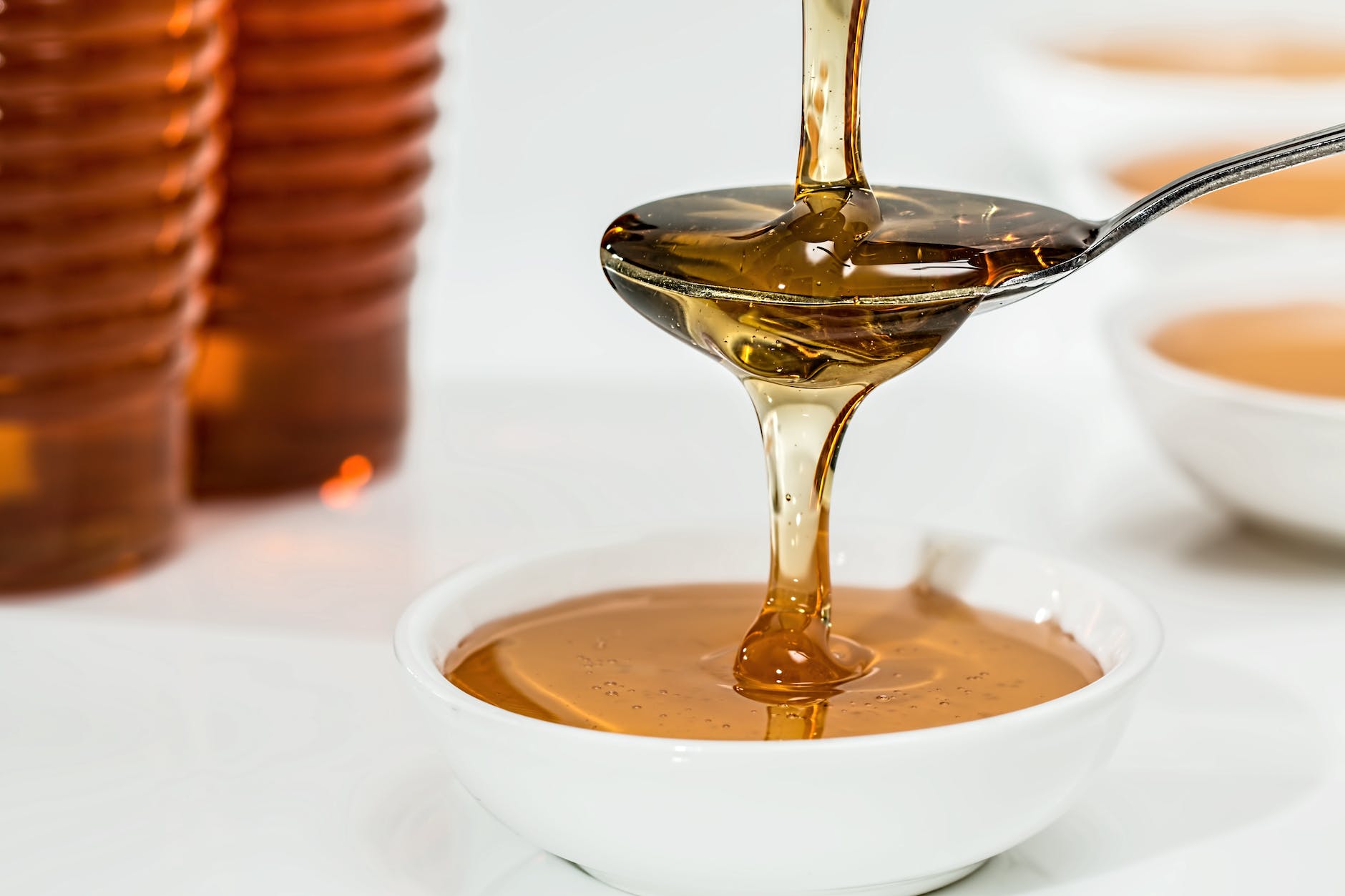
I drink a tall glass of warm lemon water every morning, make big batches of chicken soup when I’m feeling under the weather, and drink lots of ginger and/or garlic tea when I get a cold. I sweeten my teas with raw, unfiltered honey. I even put honey in my coffee, preferring it over sugar whenever possible.
Until recently.
When I moved to France, I was blindsided by unrelenting sinus allergies. At first I thought I caught a cold because I was worn down from all the travel—three weeks of it—before settling into a vacation rental in Paris for three more weeks. When the symptoms didn’t ease, I went to a local Pharmacie to get some assistance. I was given some allergy pills and a nasal spray. Being a minimalist, I stuck with the nasal spray in the beginning. It helped but until I started taking the daily pill, I still endured the sinus crap, but to a lesser degree.
Some days were better than others, but there seemed to be no rhyme or reason for my suffering. I couldn’t pinpoint the likely culprit of my allergic reactions.
I knew the herbalist’s answer: honey. Get local and unfiltered if you can find it. I’ve dispensed this advice multiple times to friends myself, believing this to be—at the very least—something to reduce the misery a notch or two. Having never been an allergy patient prior, I can honestly say I had no idea about allergies—until I joined the ranks.
So, following my own advice, I sought out local honey. Here in France, it’s not cheap, but it is readily available due to the agricultural region I have settled in. And it’s yummy! I put it in my coffee and slathered it on my morning baguette or croissant. My symptoms, while dramatically less than I experience in Paris, persisted in spite of the pills or the honey. I was going through boxes and boxes of tissues and carried wads of them in every coat, sweater, and jeans pocket. My purse was as stuffed as my nose. I slept sitting nearly bolt-upright and kept a jar of Vicks® handy.
Then, one evening, in a moment of despair—in part because getting a doctor’s appointment here is something of a challenge (small village with an average age of 70 and there’s only one doctor) and another was because I was just plain tired—I had a thought. Or more accurately, in retrospect,… an epiphany.
What if I was feeding myself (daily) the very thing that I happen to be allergic to? It dawned on me the nature of honey—pollen! Until I can find out what I am allergic to, it made sense since the weather had turned to the cold winter weather of November in this area.
I researched the proverb and found that recent articles like this one where a noted allergist states, “this is a common myth, and unfortunately, honey does not improve seasonal allergies.”
And another, in the same article says,
“there is very little scientific evidence to suggest that eating local honey can treat or cure
seasonal allergy symptoms…”
I found another 2023 article that basically said the same thing. I found others that promoted honey, but many of those are at least ten years old.
So, to conduct my own experiment I stopped eating honey. Instead using raw sugar in my coffee and the lemon/ginger tea I drank gallons of to counteract the constant stream exiting my nose.
The next day was better. A LOT better. The results were fairly instant, and dramatic to the point that I don’t want to try the honey again for fear of resurrecting the utter misery I had previously endured.
You don’t know what you have until it’s gone… works both ways.
Apparently honey falls under “Old Wives Tale”. I think maybe it was used as a little treat for those who were ill. In days of old, actually getting honey was an extreme act of bravery. Perhaps there’s a bit of guilt woven into that lore.
“Now, your uncle Jeb got stung about a dozen times gettin’ you that honey. Of course it will help you feel better!”
A placebo is born.
I’m sad because I love honey, but until I find out what it is that sets me off, I’d best steer clear.
P.S.
I do have an appointment today, thankfully, and I will see what the doctor says.

